I grew up with a very certain view of the world.
I believed there were clear lines between right and wrong, people who were "in" and people who were "out." It shaped the questions I asked, the people I understood, and the stories I believed.
Over time, those certainties began to unravel.
I'm still figuring out what I believe, but one thing has become abundantly clear: people are far more complex, compassionate, and beautiful than the boxes we place them in.
That realization met me unexpectedly in Japan.
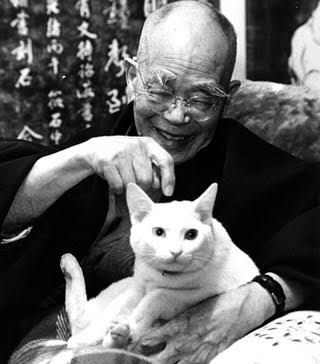
While visiting the D.T. Suzuki Museum in Kanazawa, I found myself standing in front of a simple photograph of Suzuki smiling as he held a cat. I wasn't prepared for my reaction. I felt tears welling up, not because of the photograph itself, but because I realized how differently I had learned to see people who believed differently than I did. He was a Buddhist Philosopher. I was a Christian.
Standing there, I wasn't looking at labels anymore.
I was looking at another human being who had spent his life asking difficult questions and seeking peace.
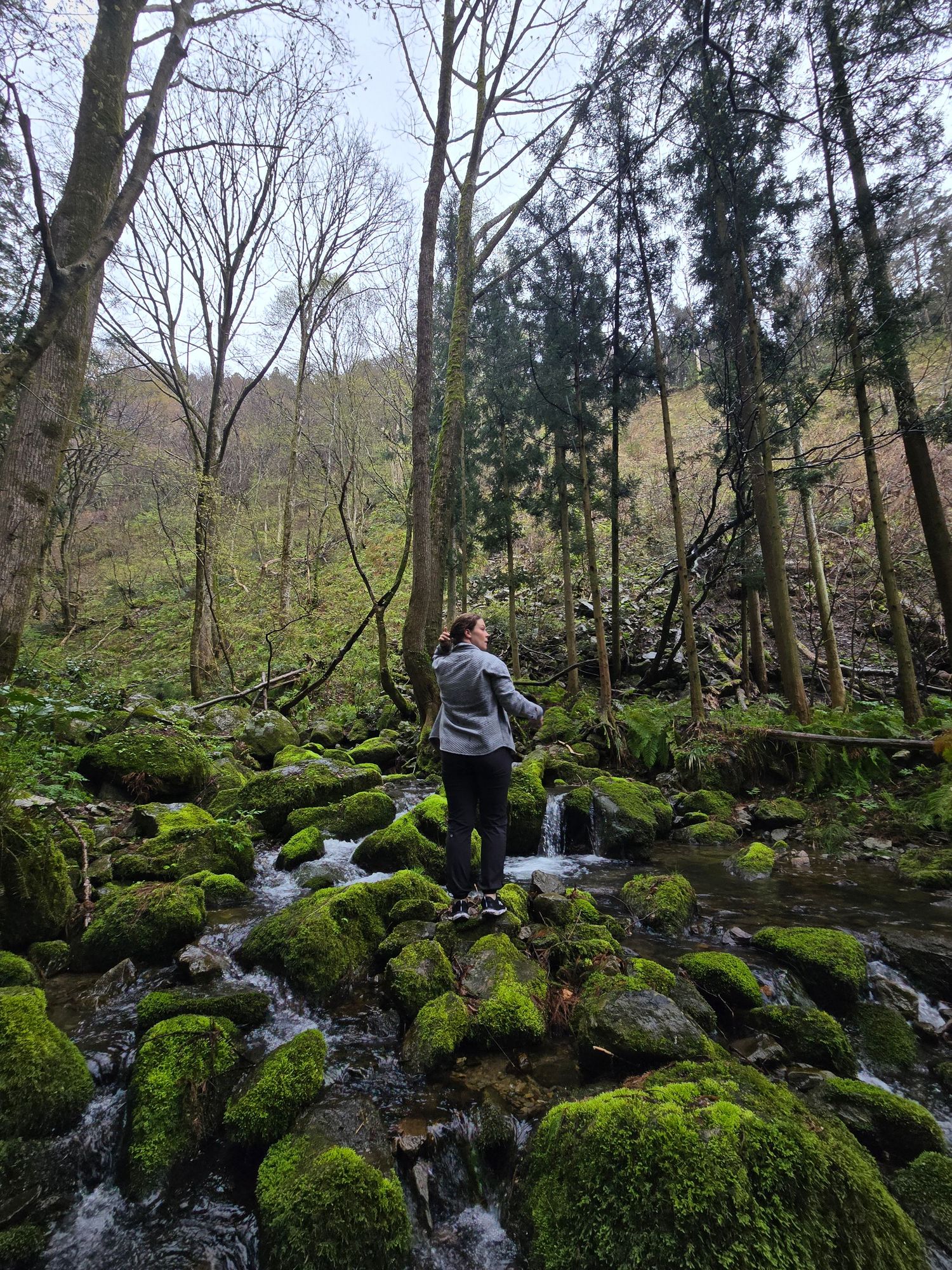
Throughout my time in Japan, I saw that same quiet gentleness reflected everywhere: in the care people showed for shared spaces, for nature, for strangers, and for one another. Whether those moments grew from faith, philosophy, culture, or simply kindness didn't really matter.
They reminded me that wisdom often looks less like certainty and more like compassion.
That experience changed more than my beliefs.
It changed how I listen.
It changed how I tell stories.
These days, I'm much less interested in convincing people they're right or wrong. I'm far more interested in understanding what shaped them, what they care about, and what makes them human.
That's become the foundation of my work.
Whether I'm filming a business owner, sitting across from someone in addiction recovery, or photographing a family, I want people to feel seen before they feel documented.
I want them to leave feeling a little safer than when they arrived.
I still don't have all the answers.
I'm not sure I ever will.
But I've learned that curiosity often creates more connection than certainty ever could.
And I think that's a pretty good place to begin.
D.T. Suzuki
D.T. Suzuki (1870–1966) was a Japanese philosopher and scholar who single-handedly bridged Eastern spirituality and Western thought. As the foremost architect of "Suzuki Zen," he introduced Zen Buddhism to the West, influencing prominent 20th-century minds like Carl Jung, Alan Watts, and Allen Ginsberg.