For a long time, I believed needing antidepressants meant I had somehow failed.
I wanted to know who I was without medication. I wanted to believe I could be strong enough to live without it.
So, a number of years ago, I decided to wean myself off.
It wasn't a decision made lightly. It came from beliefs I'd carried for years about resilience, healing, and what it meant to be "well." Looking back, I can see those beliefs were shaped by many things: my upbringing, the messages I absorbed, and the expectations I quietly placed on myself.
What I didn't understand was that depression wasn't something I could simply outwork.
It had been part of my life for as long as I could remember, usually arriving after long seasons of anxiety. My mind would race until my body finally surrendered, leaving me exhausted in ways I didn't yet have language for.
Medication hadn't erased that reality.
It had simply given me enough steadiness to live my life.
I know that now.
At the time, I didn't.
The months that followed were some of the hardest I've ever lived through. The withdrawal was relentless.
Brain zaps. Vertigo. Nightmares. A nervous system that no longer felt like my own.
One evening, I found myself sitting alone beneath a sky overflowing with stars.
Somewhere in the middle of all that exhaustion, I whispered a sentence I've never forgotten:
"I see the light better in the dark."
At the time, I thought I was trying to make sense of suffering.
Years later, I hear those words differently.
I don't believe suffering is inherently good. I don't think pain arrives with a hidden purpose waiting to be uncovered.
But I do think difficult seasons have a way of slowing us down long enough to notice what we would otherwise miss.
A stranger's kindness.
A breeze moving through the trees.
A conversation that reminds us we're not alone.
The first bird before sunrise.
Little flickers of light that don't erase the darkness, but quietly remind us it isn't the whole story.
Maybe that's why I'm drawn to the work I do.
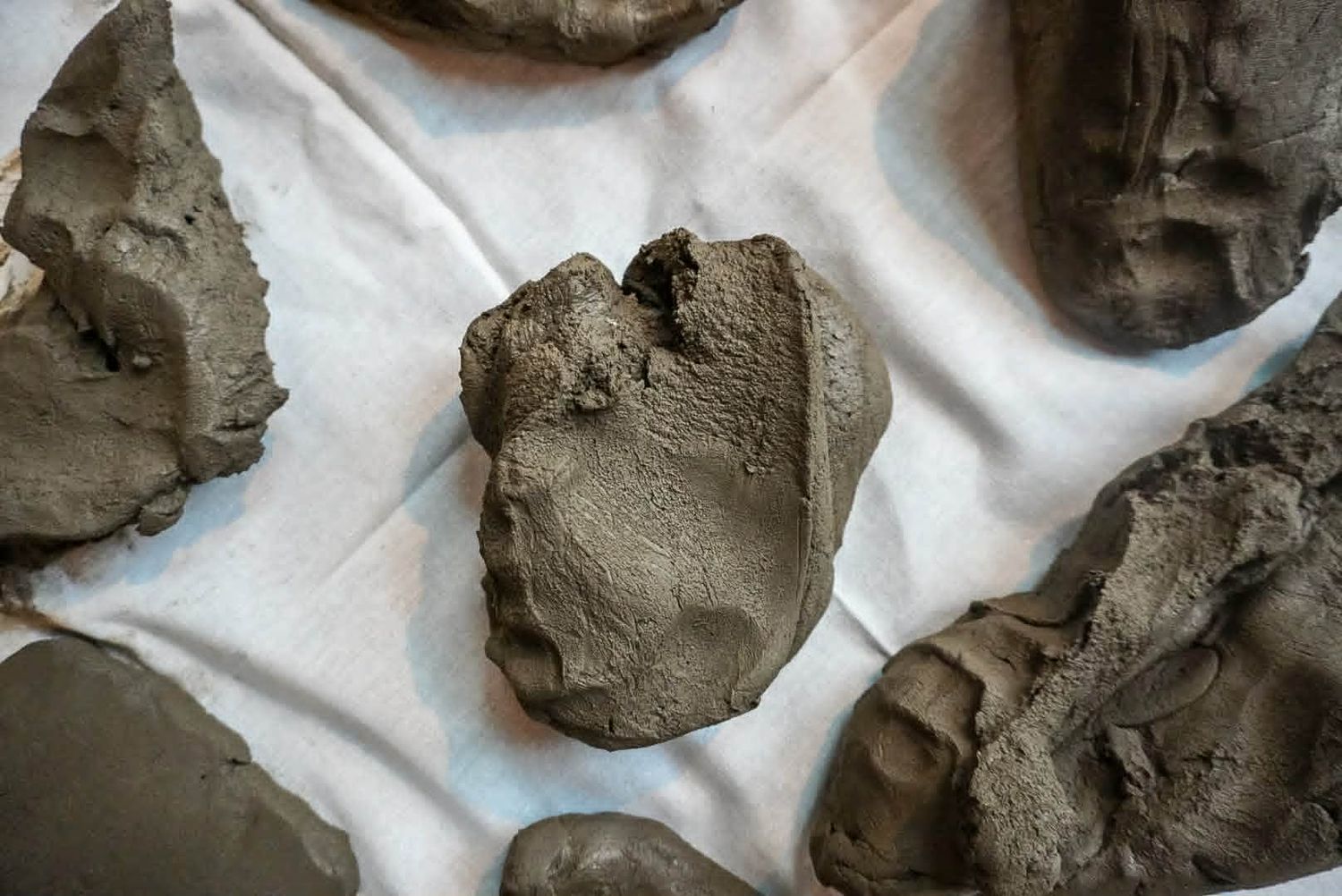
I've always noticed the things that are easy to overlook. The person standing quietly in the corner, the wild clay beneath my boots, the tiny mushroom pushing through a fallen log, the stories most people walk past without realizing they're there.
I don't think I tell stories because I have answers.
I think I tell stories because I've learned that paying attention is one of the greatest gifts we can offer another person.
Sometimes being truly seen is enough to remind someone that they're not alone.
And sometimes, that's where hope begins.